Discover the vibrant and mouthwatering world of Kerala and South Indian cuisine right here in Ontario. From aromatic spices to rich flavors, immerse yourself in this culinary adventure!
Traditional Kerala dishes are not only delicious but also offer a range of health benefits, thanks to their use of fresh ingredients and balanced spices. One of the key aspects of Kerala cuisine is its emphasis on vegetarian dishes, which are rich in fiber, vitamins, and minerals. Dishes like avial and thoran, made from a variety of vegetables, provide essential nutrients while being low in calories and fat. The use of coconut, which is high in medium-chain triglycerides (MCTs), offers health benefits such as improved digestion and increased energy levels.
The liberal use of spices in Kerala cuisine also contributes to its health benefits. Spices like turmeric, ginger, and black pepper have anti-inflammatory and antioxidant properties, which can help boost the immune system and reduce the risk of chronic diseases. For instance, turmeric, with its active compound curcumin, has been shown to have anti-inflammatory effects and is often used in traditional Ayurvedic medicine. Similarly, ginger is known for its digestive benefits and is commonly used in teas and curries.
Seafood dishes, which are a staple in Kerala’s coastal cuisine, are rich in omega-3 fatty acids, which are essential for heart health. Fish like mackerel, sardines, and kingfish are not only delicious but also provide important nutrients like protein, vitamins, and minerals. The traditional cooking methods, such as steaming and grilling, help retain the nutritional value of these ingredients, making them a healthy addition to the diet. Overall, the balanced use of fresh ingredients and spices in Kerala cuisine makes it both flavorful and nutritious.
The Influence of Local Ingredients on South Indian Recipes
One of the defining characteristics of South Indian cuisine is its reliance on fresh, local ingredients. This emphasis on local produce not only enhances the flavor and quality of the dishes but also reflects the region’s agricultural diversity. In Kerala, for instance, the abundant supply of coconut trees has made coconut a staple ingredient in the local cuisine. Whether it’s grated coconut, coconut milk, or coconut oil, this versatile ingredient is used in a variety of dishes, from curries to desserts.
Similarly, the coastal regions of South India have a rich tradition of seafood dishes, thanks to their proximity to the Arabian Sea and the Bay of Bengal. Fresh fish, prawns, and crabs are commonly used in curries, fries, and stews, with each region having its own unique way of preparing these delicacies. The use of tamarind, kokum, and other souring agents adds a tangy twist to these dishes, balancing the rich flavors of the seafood and spices.
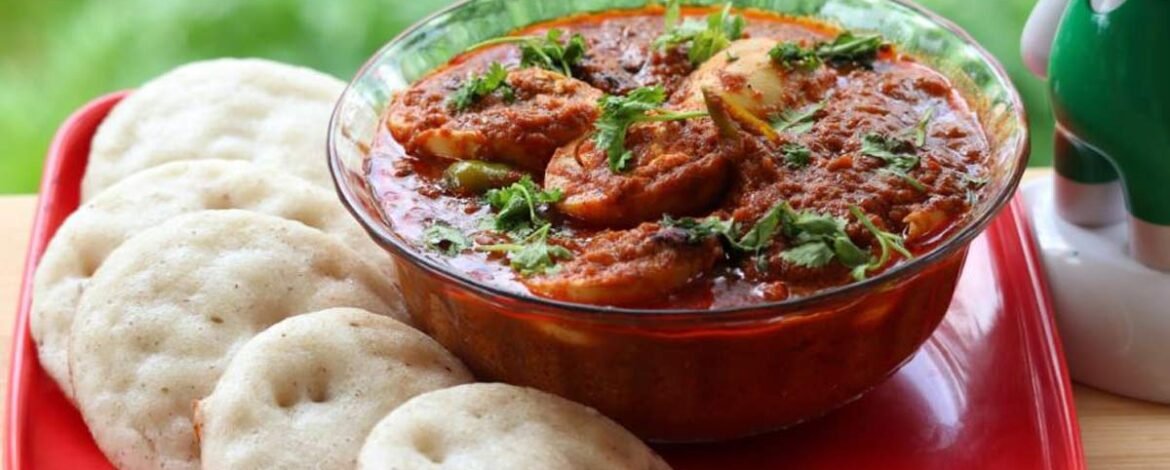
Inland regions of South India, such as Tamil Nadu and Karnataka, rely heavily on rice and lentils as their primary staples. These ingredients form the basis of many traditional dishes, including dosas, idlis, and vadas. Seasonal vegetables like drumsticks, okra, and brinjals are often used in sambar and other curries, showcasing the region’s agricultural bounty. The use of fresh herbs like curry leaves, cilantro, and mint further enhances the flavors of these dishes, making them a true celebration of local produce.


Leave A Comment